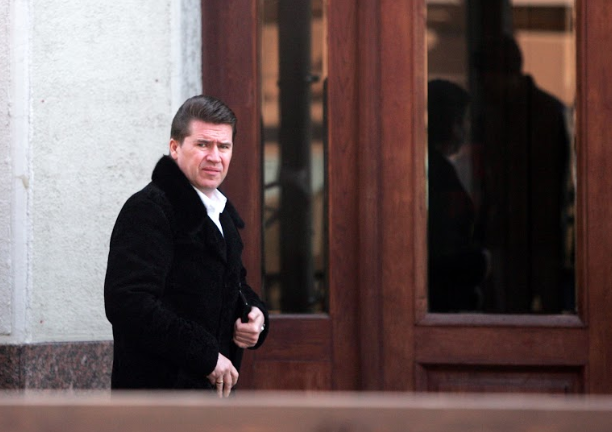
Lithuanian Kings of Belarussian Potash

On Jan 31, 2022, the last trains carrying sanctioned Belarussian potash fertilizers were supposed to cross Lithuanian territory.

On Jan 31, 2022, the last trains carrying sanctioned Belarussian potash fertilizers were supposed to cross Lithuanian territory.

Despite harsh EU sanctions, Belarussian oil exports to Estonia reached record levels in 2021. Here's how the trade, initiated by the oligarch nicknamed the ”energy wallet of Lukashenko", has been set up.

The events organised by anti-vaxxers and Covid-19 restriction deniers, begs the question – who is paying for all of this? Until now it has been hard to find sources of organised, external funding so Re:Baltica looked into the main disinformation spreaders and the way that they live.

The pandemic has escalated online harassment, especially aimed at journalists and healthcare workers. Yet in all three Baltic countries police don't consider even publicly shared death threats as real enough, therefore action against perpetrators rarely follows.

Latvia is the first of the Baltic States that has convicted a person who spreads fake news – he has been found guilty of hooliganism and incitement to hatred on social media. Meanwhile, Estonia and Lithuania are relying on educating society rather than handing out criminal penalties.

Work visits to the U.S. described as “fuckery”, promises to “fix things” in the banking sector, disclosure of confidential information in a sauna and false testimony: a dropped case lifts the veil on how the former governor of the Bank of Latvia operated.

Until relatively recently, journalists generally considered the anti-vaccination movement to consist primarily of misguided new mothers. During the Covid-19 pandemic, this view has changed dramatically. Misinformation on vaccines is now being spread on social media by healthy living evangelists and other profiteers, people seeking to grow their political capital, and fans of Kremlin propaganda.

Profit of the payday loans made Aigars Kesenfelds millionaire and gave him a chance to spread wings internationally. The turnover of his businesses now approaches 400 million euros a year. However, the plain sailing has run into difficulties in Kosovo and Armenia due to “abnormal superprofits”, and the companies related to him have lost licences. For this story, the least known Latvian millionaire is forced to leave the shadows and answer unpleasant questions.

The case for the alleged breach of EU sanctions against Russia by the owner of the Baltic media-powerhouse which distributes popular Russia's TV channels may end up being heard in court behind closed doors.